

Do Roof Lanterns Lose Heat?
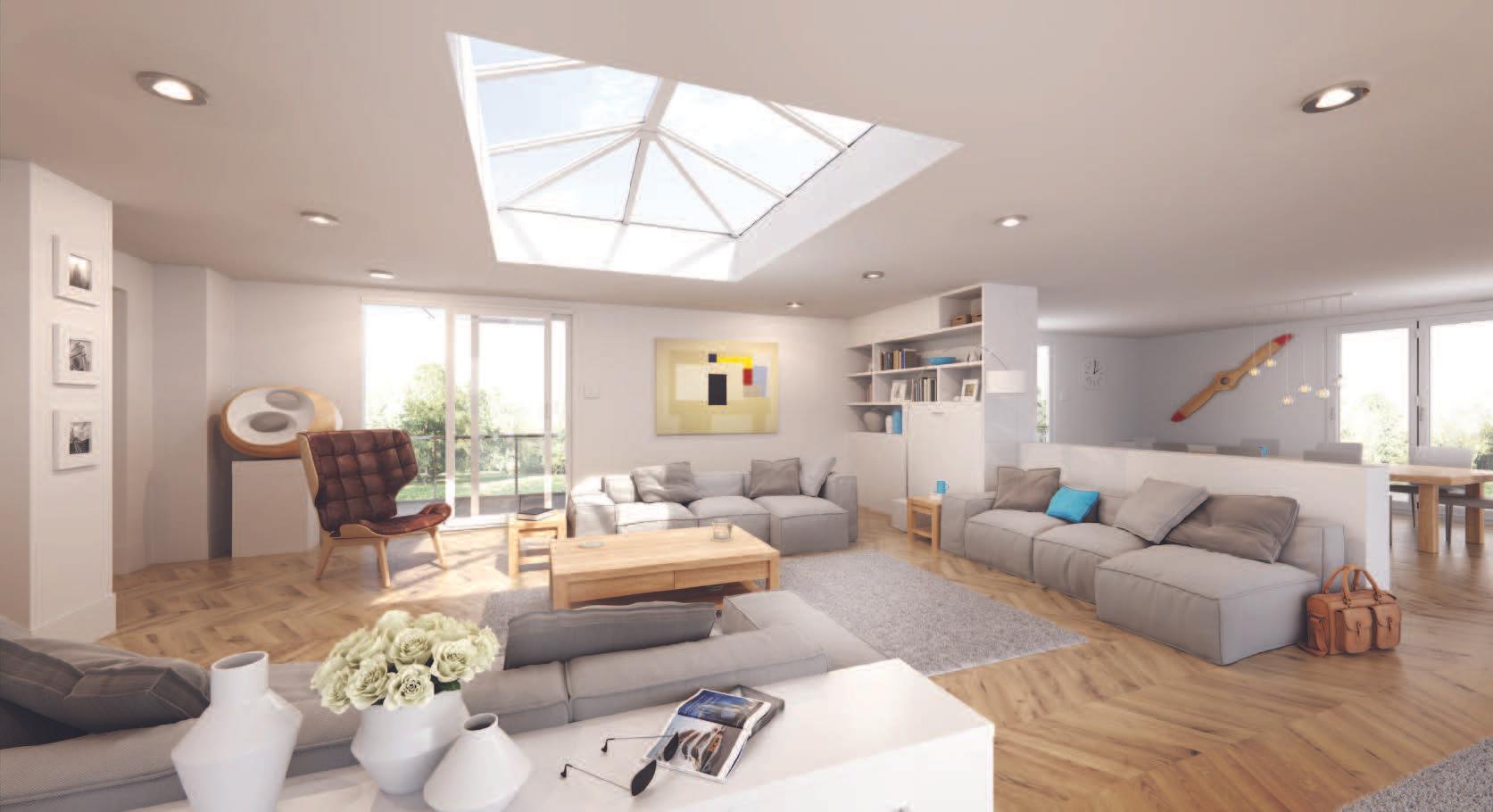
Roof lanterns are a popular feature in modern homes, especially in kitchen extensions and open-plan living spaces. They’re known for bringing in large amounts of natural light and creating a bright, open atmosphere. However, one of the most common concerns homeowners have is: do roof lanterns lose heat?
The short answer is yes, all glazing allows some heat to escape. However, modern roof lanterns are designed with energy efficiency in mind, and when specified correctly, heat loss can be minimal.
In this blog, we’ll explore how roof lanterns affect heat retention, what factors influence their performance, and how to choose an energy-efficient option for your home.
Do Roof Lanterns Cause Heat Loss?
Because roof lanterns are made primarily of glass, they naturally allow more heat transfer than a solid, insulated roof would. Warm air rises, so heat in your home will move upwards and can escape through the glazing if it isn’t well insulated.
However, this doesn’t mean roof lanterns are inefficient. Modern systems use advanced glazing technology and thermally efficient frames to significantly reduce heat loss.
In fact, a high-quality roof lantern installed correctly should not cause noticeable heat loss or draughts in your home.
Understanding Heat Loss and U-Values
To understand how much heat a roof lantern loses, it’s important to look at its U-value.
A U-value measures how well a product prevents heat from escaping. It’s expressed in W/m²K, and the lower the number, the better the insulation. For roof lanterns:
- Older or basic models may have higher U-values (more heat loss)
- Modern double glazed roof lanterns typically achieve around 1.2–1.6 W/m²K
- High-performance systems can reach 1.0 W/m²K or lower
Choosing a roof lantern with a low U-value is one of the best ways to improve energy efficiency and reduce heat loss.
What Affects Heat Loss in Roof Lanterns?
Several factors influence how much heat a roof lantern will lose.
Glazing Type
The type of glazing plays a major role in thermal performance.
- Double glazing provides good insulation and is standard in most roof lanterns
- Triple glazing offers even better insulation by adding an extra pane of glass
More panes mean more layers trapping heat, which helps reduce heat transfer.
Low-Emissivity (Low-E) Glass
Modern roof lanterns often use low-emissivity coatings, also known as Low-E glass.
This special coating reflects heat back into the room rather than allowing it to escape through the glass. It helps keep your home warmer in winter and improves overall energy efficiency.
Gas-Filled Units
Many glazed units are filled with inert gases such as argon between the panes. These gases are denser than air and help reduce heat transfer, improving insulation.
Frame Design
The frame of a roof lantern is just as important as the glass. High-quality aluminium roof lanterns often include thermal breaks, which reduce the amount of heat that can pass through the frame.
Poorly designed frames can create “cold bridges,” allowing heat to escape even if the glazing is efficient.
Installation Quality
Even the best roof lantern can lose heat if it isn’t installed properly. Gaps, poor sealing, or incorrect fitting can lead to:
- Draughts
- Heat loss
- Condensation issues
This is why it’s important to ensure your roof lantern is installed by experienced professionals.
Do Roof Lanterns Make Rooms Cold?
A common misconception is that roof lanterns make rooms feel cold, especially during winter.
In reality, a well-designed roof lantern should not significantly affect the temperature of your room. Modern glazing and insulated frames help maintain a comfortable indoor environment.
In fact, roof lanterns can sometimes help improve warmth during the day by allowing solar gain – the natural heat from sunlight entering your home.
Do Roof Lanterns Lose Heat at Night?
Heat loss is more noticeable at night because there is no sunlight to offset it.
However, with modern glazing technology, the difference is minimal. High-performance roof lanterns are designed to retain as much heat as possible, even when external temperatures drop.
If heat retention is a priority, choosing a system with:
- Low U-values
- Double or triple glazing
- Low-E coatings
will make a significant difference.
How to Reduce Heat Loss from a Roof Lantern
If you’re considering installing a roof lantern, there are several ways to ensure it performs efficiently.
Choose a Low U-Value
Always look for a roof lantern with a strong thermal performance rating. The lower the U-value, the better it will retain heat.
Opt for High-Performance Glazing
Double glazing is standard, but upgrading to triple glazing or enhanced glass coatings can further improve insulation.
Consider Solar Control Glass
Solar control glass helps regulate the amount of heat entering your home. It can reduce overheating in summer while still allowing natural light in.
Ensure Professional Installation
Proper installation is key to preventing heat loss. A well-installed roof lantern will be sealed correctly and perform as intended.
Add Blinds or Shading
Roof lantern blinds can provide an extra layer of insulation during colder months and help control heat levels throughout the year.

Balancing Heat Loss and Natural Light
While it’s true that roof lanterns allow some heat to escape, they also provide significant benefits that often outweigh this drawback. These include:
- Increased natural light
- A brighter, more open living space
- Enhanced visual appeal
- Potential energy savings from reduced need for artificial lighting
The key is to find the right balance between light, aesthetics, and thermal performance.
Are Modern Roof Lanterns Energy Efficient?
Yes, modern roof lanterns are designed to meet strict building regulations and energy efficiency standards.
Advances in glazing technology, frame design, and manufacturing mean that today’s roof lanterns are far more efficient than older models. When specified correctly, they can:
- Help maintain indoor temperatures
- Reduce reliance on artificial lighting
- Contribute to an energy-efficient home
So, Do Roof Lanterns Lose Heat?
The answer is yes, but only to a small extent when using modern, high-quality systems.
All glazing allows some heat transfer, but today’s roof lanterns are designed to minimise this through advanced materials and construction. By choosing a product with a low U-value, high-performance glazing, and a well-insulated frame, you can enjoy the benefits of a roof lantern without worrying about significant heat loss.
With the right specification and professional installation, a roof lantern can be a stylish, practical, and energy-efficient addition to your home – bringing in natural light while keeping your space comfortable all year round.
At UK Rooflights, we supply high-quality roof lanterns designed to maximise natural light without compromising on energy efficiency. With modern glazing and thermally efficient designs, our roof lanterns help keep your home bright and well insulated all year round. If you’re considering adding a roof lantern to your space, get in touch with our team on 01709 458500 for expert advice.


