

Why Is My House So Dark? Common Causes Explained
If your home feels gloomy even during the daytime, you’re not alone. Many homeowners find themselves constantly turning on lights, drawing curtains back, or wondering why certain rooms never seem to brighten up, no matter the weather.
A dark home isn’t just frustrating; it can affect your mood, energy levels, and how much you enjoy your space. The good news? There are clear, common reasons why houses feel dark, and most of them can be improved with the right design choices.
In this blog, we’ll explore the most common causes of dark homes and explain how natural light solutions like roof lanterns and roof lights can make a dramatic difference.
1. Limited or Poorly Positioned Windows
One of the most obvious reasons a house feels dark is simply a lack of windows, or windows that aren’t positioned well.
Older properties, in particular, were often designed with smaller windows to retain heat or maintain privacy. In some layouts, windows may only be located on one side of the house, limiting how far light can travel indoors.
Even in newer homes, poorly places windows can leave central areas such as hallways and open-plan spaces starved of daylight.
2. North-Facing Rooms
The direction that your home faces has a huge impact on how much natural light it receives.
North-facing rooms get cooler, softer light throughout the day and little to no direct sunlight. While this can be ideal for certain uses, it often results in rooms that feel dim, especially in winter months.
South-facing rooms benefit from the most sunlight, while east-facing rooms enjoy morning light and west-facing rooms catch the afternoon sun. Homes dominated by north-facing elevations are far more likely to feel dark overall.
3. Deep Floor Plans and Extensions
Many modern homes and renovated properties have deep floor plans, meaning the distance from the front of the house to the back is quite long.
Rear extensions, especially kitchen extensions, can unintentionally block light from reaching the middle of the home. While extensions add valuable space, they often reduce the amount of natural light entering internal rooms. This is one of the most common reasons homeowners notice their house feeling darker after renovating.
4. Lack of Light From Above
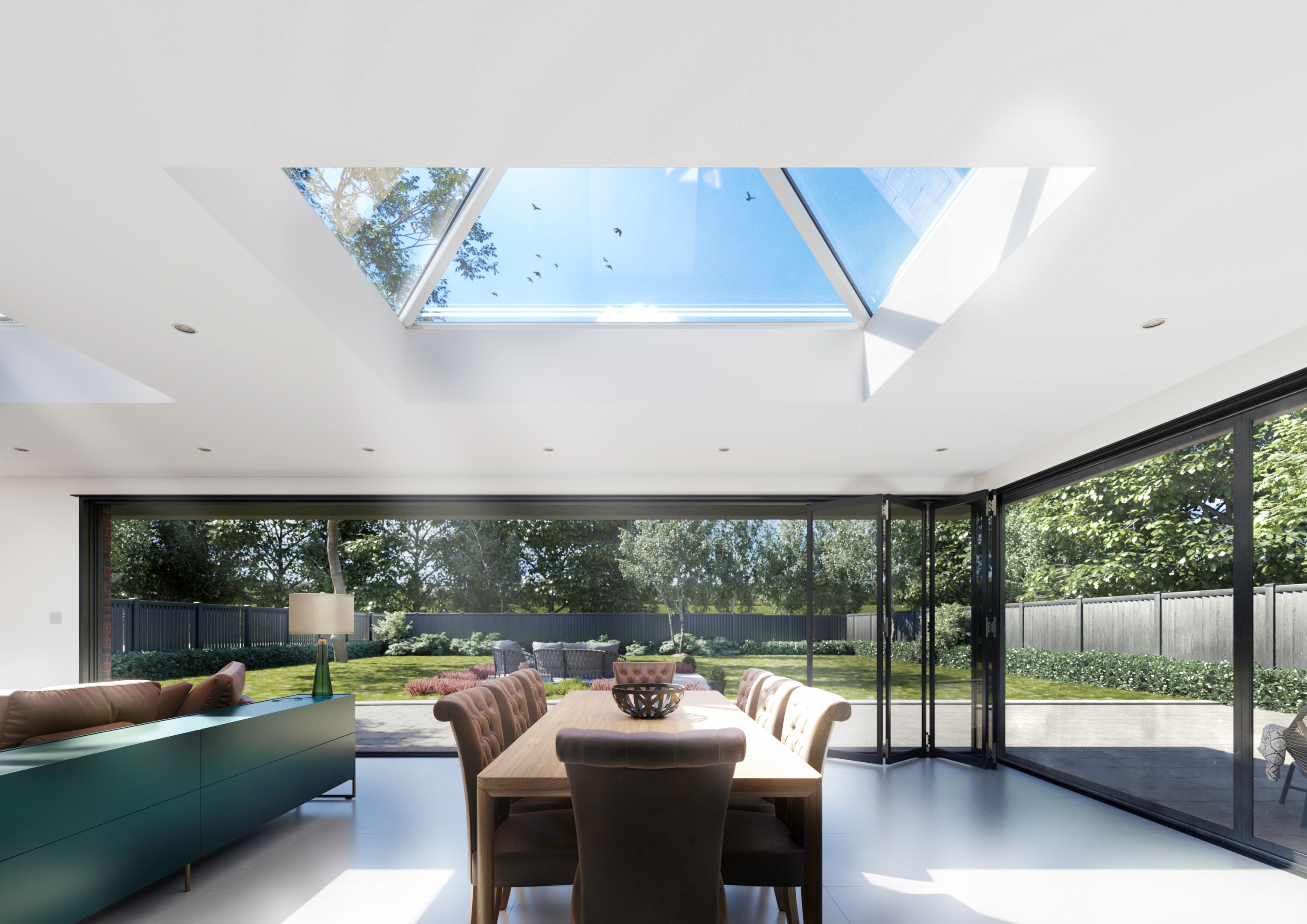
Standard vertical windows can only do so much, especially in large or open-plan spaces. Rooms that rely solely on wall windows often struggle to bring light into their centre. Without an additional light source from above, these spaces can feel flat, shadowy, and unevenly lit.
This is where roof lanterns and rooflights become essential. Overhead glazing allows daylight to pour directly into the heart of the home, brightening areas that windows simply can’t reach.
5. Poor Ventilation and Air Quality
A home that feels dark can also feel heavy, and poor ventilation often plays a role in this. When air isn’t circulating properly, moisture and pollutants can build up, leading to condensation, lingering smells, and even mould. This can make rooms feel stuffy, dull, and uncomfortable, regardless of how much artificial light you add.
Poor ventilation is especially common in:
- Older properties with sealed or outdated windows
- Extensions and open-plan layouts without adequate airflow
- Kitchens and living spaces that rely heavily on artificial lighting
Introducing roof lights or roof lanterns, particularly opening or ventilated designs, can dramatically improve airflow while also flooding the space with natural light.
6. Cold Weather and Condensation Issues
Cold weather can have a surprisingly big impact on how dark and uncomfortable a home feels. During colder months, warm air inside the home meets cold surfaces like windows, walls, and ceilings. This often leads to condensation forming on glass and surrounding areas, which can make rooms feel damp, gloomy, and closed-in – even during daylight hours.
Condensation issues are especially common in:
- Homes with limited natural ventilation
- Extensions with flat roofs
- Kitchens and living spaces where moisture builds up
- Older glazing with poor thermal performance
Modern roof lights and roof lanterns help tackle this in two key ways. High-performance glazing improves insulation, reducing cold surfaces, while opening or ventilated options allow moisture to escape. At the same time, they bring in valuable natural light – helping spaces feel warmer, brighter, and more comfortable all year round.
7. Small or Outdated Glazing
Older windows often have thick frames and smaller panes of glass, which significantly reduce light intake.
Modern glazing solutions use slimmer profiles and larger glass areas, allowing more daylight to enter without compromising insulation or security.
Upgrading windows and doors can make a noticeable difference – but in many homes, the biggest improvement comes from adding glazing above.
How Roof Lanterns and Roof Lights Can Transform a Dark Home
If your home feels dark due to layout, orientation, or extensions, roof lanterns and roof lights are often the most effective solution.
Roof Lanterns
Roof lanterns are raised glazed structures typically installed on flat roofs. They don’t just let light in, they actively draw it deeper into the room.
Benefits include:
- Flooding spaces with natural daylight
- Making ceilings feel higher and rooms feel larger
- Creating a striking architectural feature
- Balancing light levels in open-plan layouts
They are particularly effective in kitchens, extensions and large living spaces.
Roof Lights
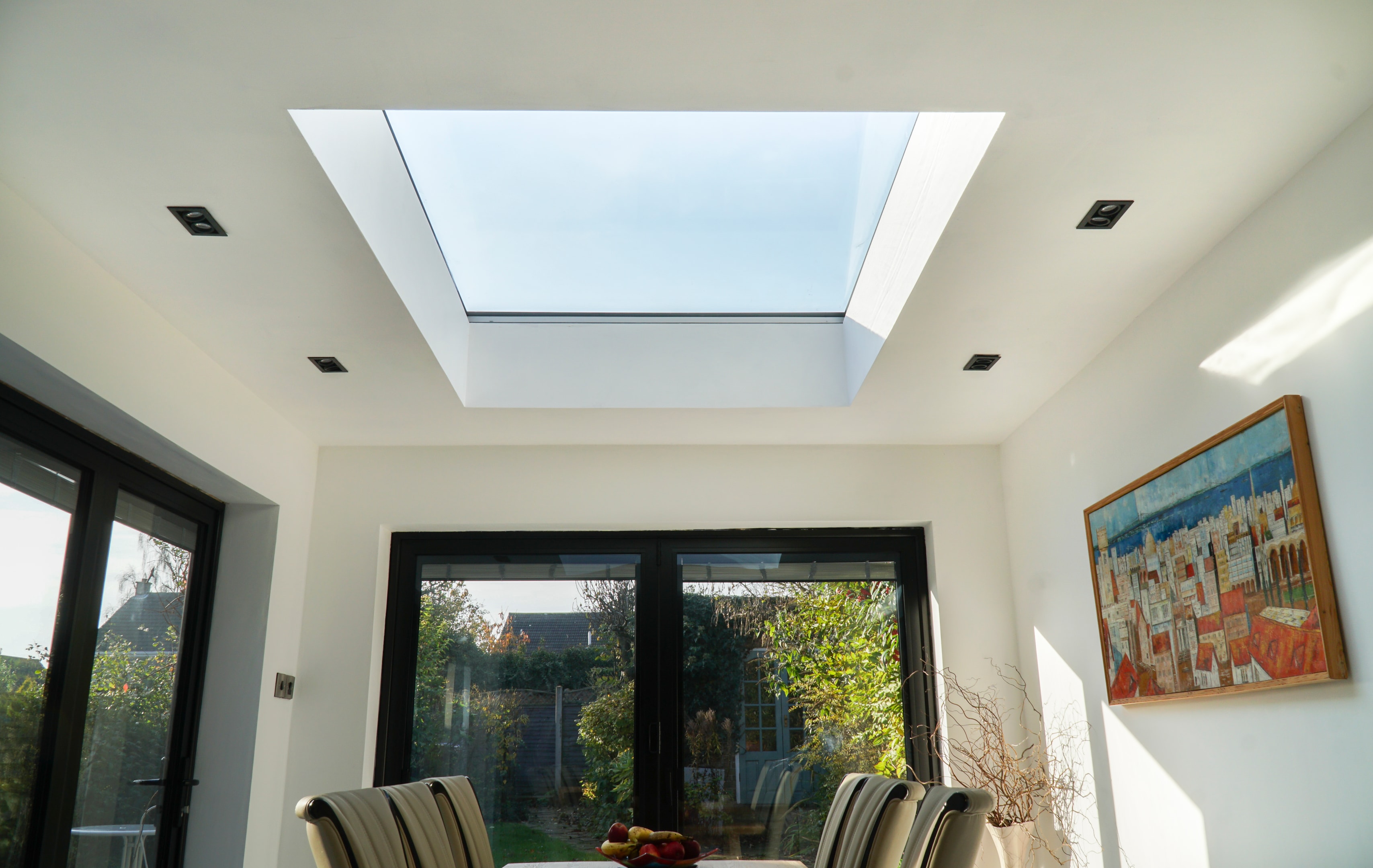
Flat rooflights offer a sleeker, more minimal approach. They sit flush with the roofline and deliver powerful daylight without dominating the space. Roof lights are ideal for modern homes, minimalist interiors, and situations where subtlety is key.
Using multiple roof lights across a roof can evenly distribute light and eliminate dark spots throughout the room.
Other Ways to Brighten a Dark House
While glazing is key, there are additional design choices that can enhance natural light:
- Using lighter wall and ceiling colours
- Choosing reflective finishes and materials
- Keeping window coverings minimal
- Positioning mirrors to reflect daylight
- Creating open-plan layouts where possible
These changes work best when paired with well-placed roof lanterns or roof lights.
Final Thoughts
If you’ve ever asked yourself, “Why is my house so dark?” the answer is usually a combination of layout, light sources, and design choices – not just bad weather.
With the right glazing and thoughtful design, even the darkest homes can be transformed into bright, welcoming spaces that feel better to live in every single day.
At UK Rooflights, we specialise in high-performance rooflights and roof lanterns designed to maximise natural light even during the coldest months. Whether you’re planning an extension, upgrading a dark space, or tackling condensation problems, our team is here to help you find the right solution. Get in touch today on 01709 458500 to take the first step towards a brighter home.


