

Can Roof Lanterns Improve Seasonal Affective Disorder (SAD)?
Seasonal Affective Disorder (SAD) is a form of depression that typically occurs during the autumn and winter months, when daylight hours are shorter and natural light is limited. Symptoms can include low mood, fatigue, difficulty concentrating and a general lack of motivation. While SAD is often treated with light therapy, lifestyle changes and medical support, the design of a home can also play a role in supporting wellbeing.
One design feature that is increasingly discussed in relation to natural light and mental health is the roof lantern. But can roof lanterns genuinely help improve Seasonal Affective Disorder? In this article, we explore the link between daylight, mood and how roof lanterns may contribute to a brighter, more uplifting living environment.
Understanding the Link Between Light and SAD
Natural light plays a vital role in regulating the body’s internal clock, also known as the circadian rhythm. This internal system influences sleep patterns, hormone production and mood. Reduced exposure to daylight can disrupt this balance, leading to symptoms commonly associated with SAD.
Sunlight helps stimulate the production of serotonin, a hormone linked to feelings of wellbeing and happiness. During darker months, lower light levels can reduce serotonin production while increasing melatonin, the hormone that promotes sleepiness. This imbalance is believed to contribute to the lethargy and low mood experienced by people with SAD.
As a result, increasing exposure to natural light is widely recognised as an effective way to help manage symptoms.
What Is a Roof Lantern?
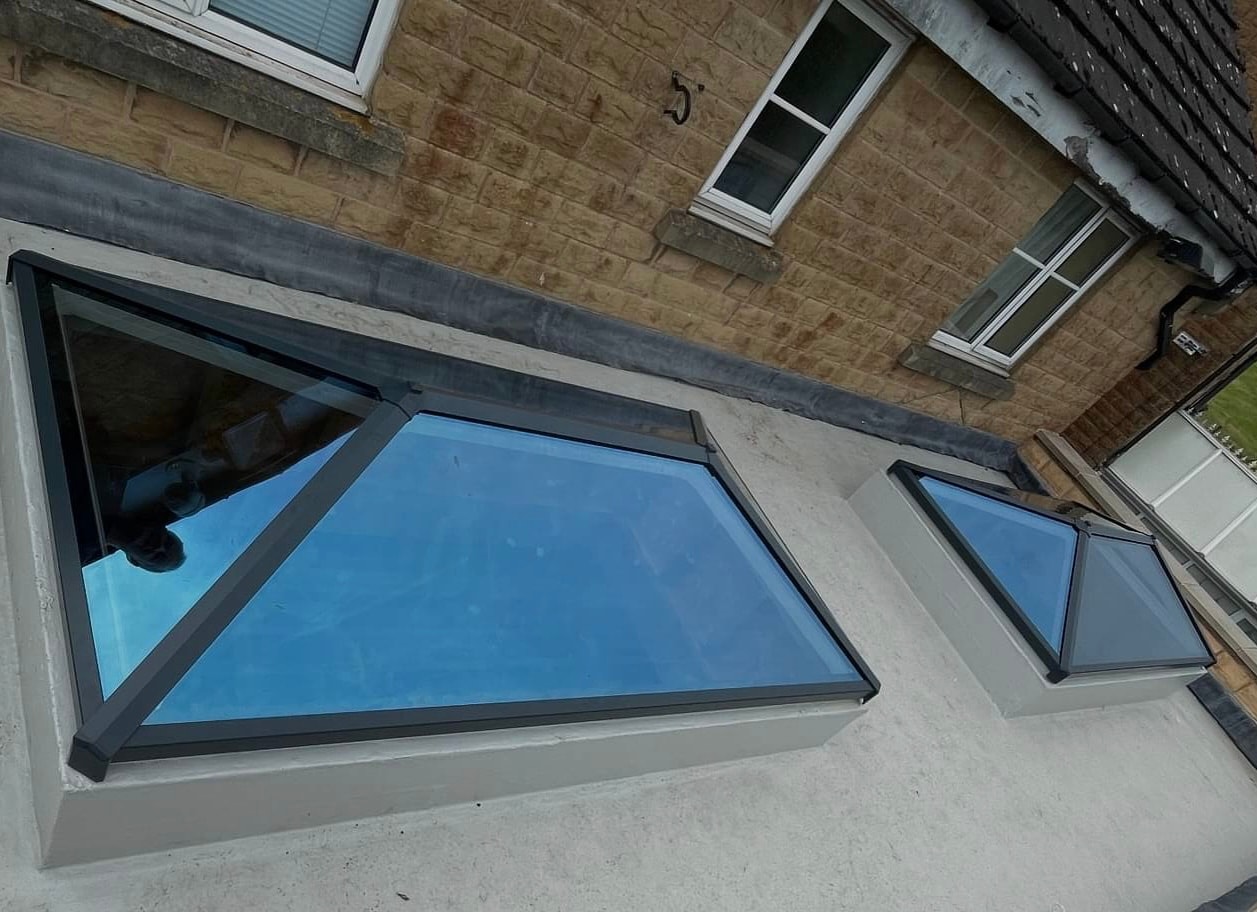
A roof lantern is a glazed architectural feature installed into a flat or low-pitched roof. Typically raised above roof level, it allows light to enter from multiple angles, delivering more daylight than a standard flat rooflight.
Roof lanterns are often used in extensions, kitchens and open-plan living spaces, where they act as a focal point while flooding the room below with natural light. Their design makes them particularly effective at capturing daylight throughout the day, even during winter months.
How Roof Lanterns Increase Natural Light
Unlike vertical windows, which rely on sunlight entering from one direction, roof lanterns receive light from above. This allows them to capture daylight for longer periods, even when the sun is low in the sky.
During winter, when the sun rises later and sets earlier, roof lanterns can make a noticeable difference by maximising the available daylight. The raised design and multiple glass panels spread light evenly, reducing dark corners and creating a brighter, more open feel.
For those affected by SAD, this increase in natural light exposure may help support mood and energy levels.
Creating Brighter Living Spaces
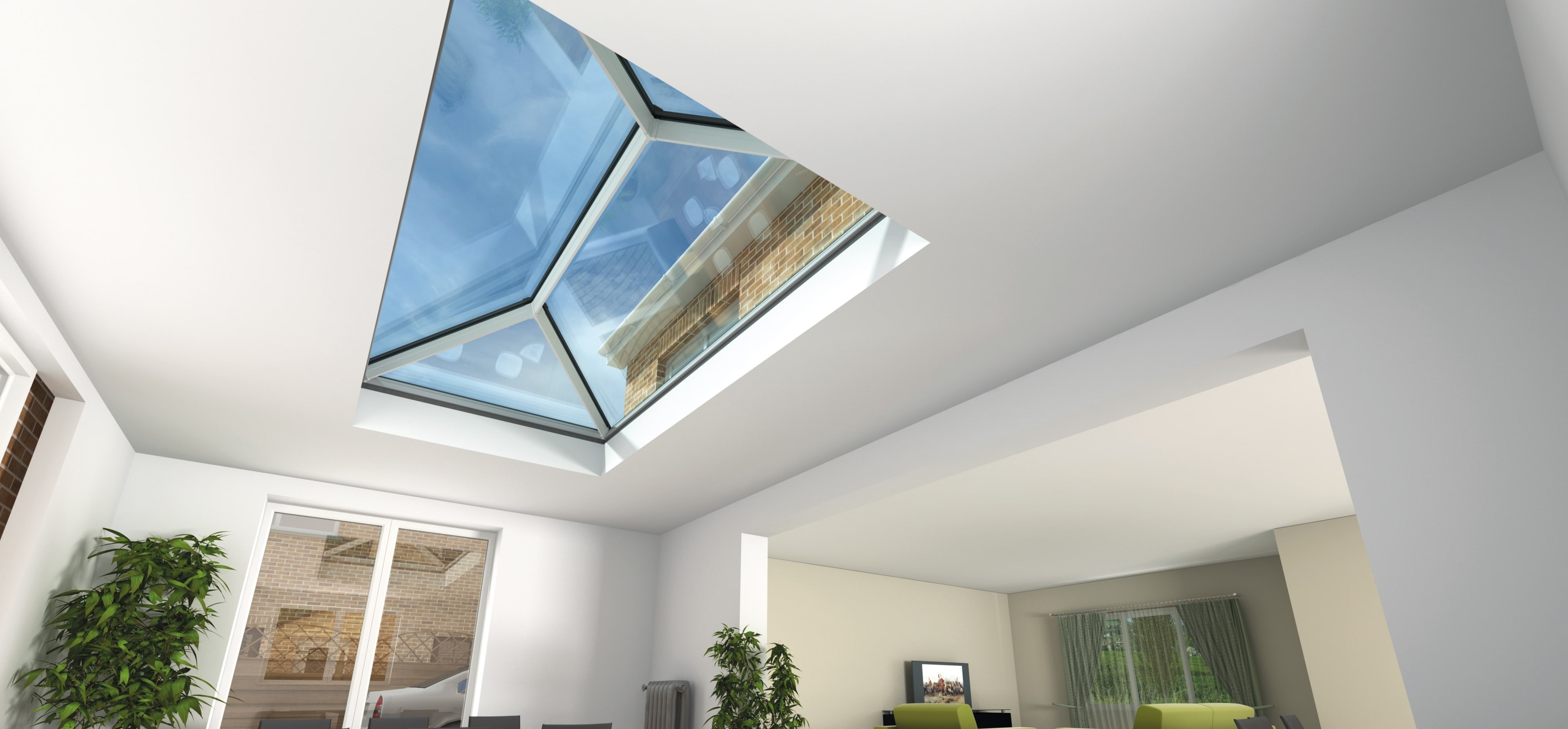
Dark, enclosed spaces can feel oppressive during the winter months, particularly for those already experiencing low mood. Roof lanterns help transform these areas by opening them up to the sky and creating a stronger connection with the outdoors.
A brighter space can feel more welcoming and energising, encouraging people to spend more time in communal areas rather than retreating into darker rooms. This subtle shift in behaviour can have a positive impact on mental wellbeing over time.
Supporting Daily Routines and Wellbeing
Exposure to natural daylight earlier in the day can help regulate sleep patterns by reinforcing the body’s circadian rhythm. Roof lanterns in key living areas, such as kitchens or dining spaces, help ensure morning and daytime activities take place in well-lit environments.
This consistent exposure to daylight may support better sleep at night, which is an important factor in managing symptoms of SAD. Improved sleep quality can contribute to better mood, focus and overall wellbeing.
Psychological Benefits of Open, Light-Filled Design
Beyond the physical effects of daylight, there are also psychological benefits to well-lit, open spaces. Rooms filled with natural light often feel more spacious, calming and uplifting.
Roof lanterns can enhance the visual appeal of a space, creating a sense of openness and connection to the sky. Even on overcast days, overhead daylight can help reduce feelings of confinement and gloom often linked to winter months.
Energy Efficiency and Comfort
Modern roof lanterns are designed with thermal efficiency in mind. High-performance glazing, thermally broken frames and advanced coatings help retain heat while still allowing light to pass through.
This is important, as increased natural light should not come at the expense of comfort. A well-designed roof lantern can brighten a space without causing heat loss or draughts, ensuring the room remains comfortable throughout the year.
By reducing the need for daytime artificial lighting, roof lanterns can help lower energy use, offering both financial and environmental benefits.
Roof Lanterns as Part of a Wider Approach
While roof lanterns can contribute to a brighter home environment, it is important to note that they are not a treatment for SAD on their own. Seasonal Affective Disorder is a complex condition, and anyone experiencing persistent symptoms should seek professional advice.
However, when combined with other strategies such as light therapy, regular exercise, and healthy routines, roof lanterns can play a valuable role. Alongside a well-designed living space, they can form part of a holistic approach to improving wellbeing during darker months.
Choosing the Right Location for Maximum Impact
To maximise the benefits of a roof lantern, placement is key. Installing a roof lantern in a frequently used area ensures regular exposure to natural light throughout the day.
Open-plan living areas, kitchens and dining spaces are popular choices, as these are often central to daily routines. Positioning the lantern to capture as much daylight as possible can help create a consistently bright environment, even in winter.
So, Can Roof Lanterns Improve Seasonal Affective Disorder?
So, can roof lanterns improve Seasonal Affective Disorder? While they are not a cure, roof lanterns can play a meaningful role in creating brighter, more uplifting living spaces that support mental wellbeing.
By increasing exposure to natural light, improving the atmosphere of a home and supporting healthier daily routines, roof lanterns may help reduce some of the challenges associated with SAD. For many homeowners, they offer both practical and emotional benefits, enhancing comfort and quality of life throughout the year.
As awareness of the link between home design and wellbeing grows, features like roof lanterns continue to prove that thoughtful architecture can have a positive impact beyond aesthetics alone.
At UK Rooflights, we believe that well-designed natural light can make a real difference to how a space feels and functions. If you’re considering a roof lantern to brighten your home and create a more uplifting environment, speak to our team on info@ukrooflights.co.uk today for expert advice and tailored solutions.


