

The Biggest Roofing Mistakes That Lead to Rooflight Leaks
Rooflights are a fantastic way to introduce natural daylight into a property, transforming dark rooms and creating a brighter, more open feel. However, when installed or detailed incorrectly, rooflights can become a common source of leaks, leading to water damage, heat loss and costly repairs. In most cases, leaks are not caused by the rooflight itself, but by mistakes made during roofing preparation, installation or finishing.
Understanding the most common roofing errors that lead to rooflight leaks can help you avoid problems and ensure your rooflight performs as it should for years to come.
Installing Rooflights Too Close to Roof Valleys
Roof valleys are designed to channel large volumes of rainwater safely off a roof, making them one of the most vulnerable areas when it comes to water ingress. Installing a rooflight too close to a roof valley significantly increases the risk of leaks, as the surrounding area is exposed to constant water flow, especially during heavy or prolonged rainfall.
Position a rooflight too close to a valley and water will be driven under pressure towards the frame and flashing, increasing the risk of seals being bypassed and water entering the roof structure. Even a well-installed rooflight can struggle to perform correctly if it is placed where water naturally concentrates. For this reason, rooflights should always be located away from valleys wherever possible, allowing water to drain freely around the unit and reducing long-term stress on flashings and waterproofing systems.
Careful planning at the design stage is essential to avoid these issues and ensure the rooflight remains watertight over time.
Poor or Incorrect Flashing Installation
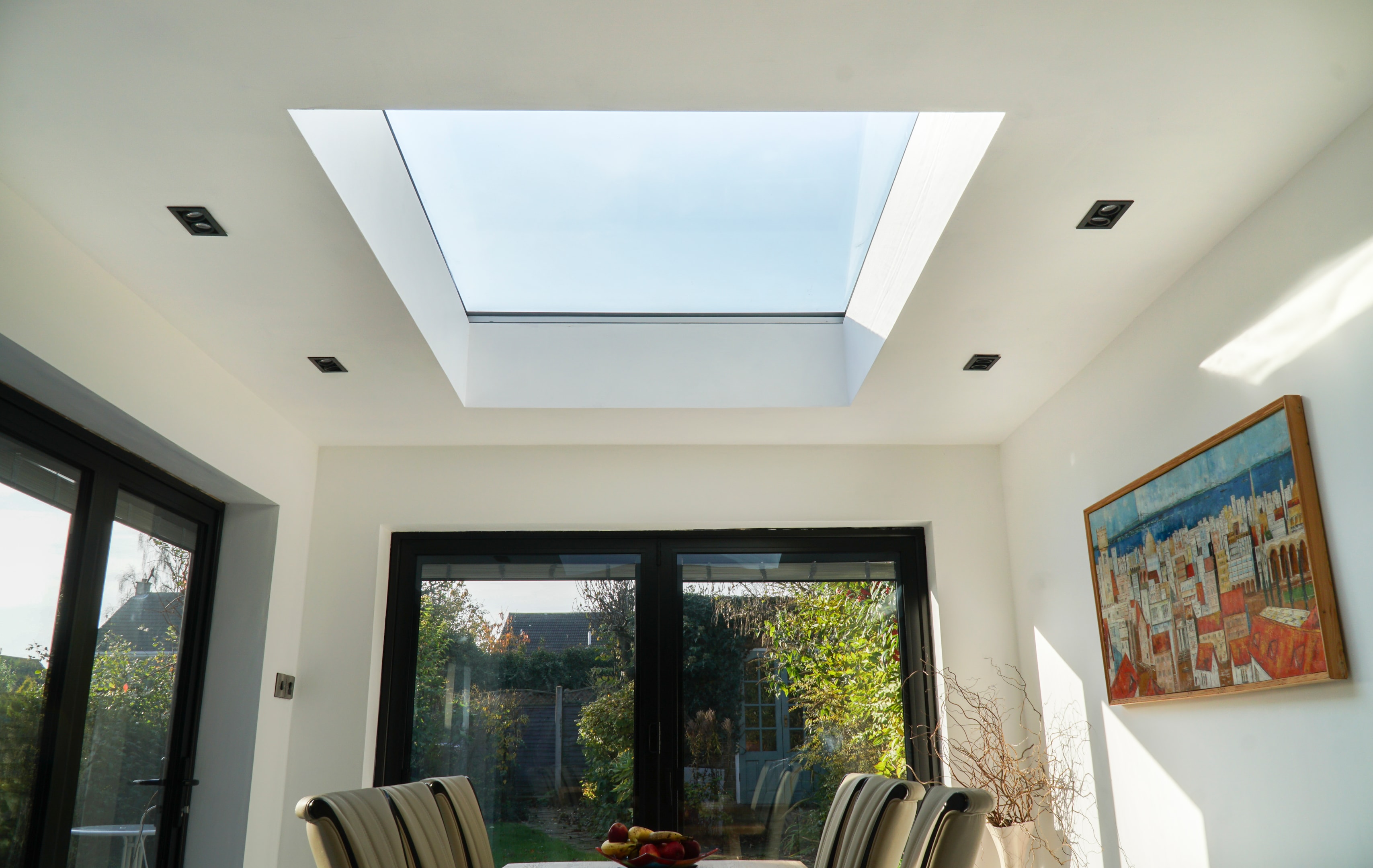
Flashing is one of the most critical components of a watertight rooflight installation, yet it is also one of the most common sources of leaks. Flashings channel water away from the rooflight and back onto the roof covering, but incorrect installation allows water to enter the building.
Common flashing mistakes include incorrect overlaps, inadequate sealing at joints, or using incompatible materials. In some cases, installers may attempt to fabricate flashings on-site rather than using purpose-designed systems, which can lead to gaps and weak points. Even a small error in flashing installation can allow water to penetrate during wind-driven rain.
Inadequate Roof Upstand Height
The rooflight upstand plays a vital role in preventing leaks, yet it is often overlooked or constructed incorrectly. An upstand that is too low makes it easier for water to splash over the edge and seep inside, particularly during heavy rain or snow.
Industry best practice typically recommends a minimum upstand height to ensure proper weather protection. An uneven or undersized upstand can compromise performance and increase the risk of leaks.
Poor Waterproofing Around the Opening
Another major cause of rooflight leaks is inadequate waterproofing around the roof opening itself. When you cut the roof to install a rooflight, you must carefully seal and protect the surrounding area. Incorrectly cut or dressed membranes allow water to track beneath the roof covering and into the building.
This issue is particularly common with flat roofs, where waterproof membranes play a crucial role in keeping water out. Any gaps or weak points in the membrane can allow moisture to penetrate, even if the rooflight frame appears secure.
Using the Wrong Roofing Materials Together
Rooflight leaks can also occur when incompatible materials are used together. Different roofing materials expand and contract at different rates due to temperature changes. When the rooflight, flashing and roof covering don’t work together, movement creates gaps over time.
For example, mixing certain metals without proper separation can lead to corrosion, while rigid materials paired with flexible membranes may pull away under stress. Design and test systems to work together to reduce risk and improve long-term durability.
Poor Fixing and Mechanical Installation
Incorrect fixings are another common source of problems. Over-tightening screws can distort the rooflight frame, compromising seals and creating gaps where water can enter. On the other hand, under-tightening fixings may allow movement during wind or temperature changes, gradually weakening the installation.
Using the wrong type of fixings for the roof structure can also cause issues. Fixings must be appropriate for the substrate and installed according to manufacturer guidelines to ensure a secure, weather-tight fit.

Damaged Flashing
Flashing plays a crucial role in keeping rooflights watertight by directing rainwater away from joints and vulnerable areas of the roof. When flashing becomes damaged or starts to deteriorate, it can no longer perform this function effectively, increasing the risk of leaks around the rooflight.
Common signs of damaged flashing include cracks, lifting, corrosion or sections pulling away from the roof covering. These issues can develop over time due to weather exposure, natural movement in the roof structure or poor installation. Even minor defects can allow water to track beneath the roof covering, leading to moisture ingress and internal damage.
Correctly installed, well-maintained flashing is essential for long-term rooflight performance. Regular inspections help spot early signs of wear so you can fix issues before they lead to leaks.
Rushing the Installation Process
Rooflight installation requires careful attention to detail at every stage. Rushing the job, working in poor weather or skipping steps can compromise the final result. Even high-quality rooflights can fail if they are installed without proper care and preparation.
Following manufacturer instructions and preparing the roof properly is essential for a leak-free installation.
Lack of Ongoing Maintenance
Even a well-installed rooflight can develop issues if it is not properly maintained. Debris buildup, blocked drainage paths and aging sealants can all contribute to leaks over time. Regular inspections help identify small issues before they become major problems.
Regularly checking seals, clearing debris and fixing minor wear early helps extend a rooflight’s lifespan and prevent damage.
Final Thoughts
Rooflight leaks are often the result of avoidable roofing mistakes rather than faults with the rooflight itself. From poor flashing and inadequate upstands to incorrect positioning and rushed installation, small errors can lead to significant problems down the line.
By understanding these common pitfalls and ensuring careful planning, correct installation and regular maintenance, you can enjoy the benefits of a rooflight without the worry of leaks. Attention to detail at every stage is key to achieving a durable, watertight result that stands the test of time.
At UK Rooflights, we supply high-quality rooflights designed to perform reliably when installed correctly. If you’re planning a project and want to ensure long-lasting results, our team is on hand to help you choose the right solution and provide guidance every step of the way. Get in touch today on info@ukrooflightsonline.co.uk to find out more.


