

Can a Rooflight Be Too Big?
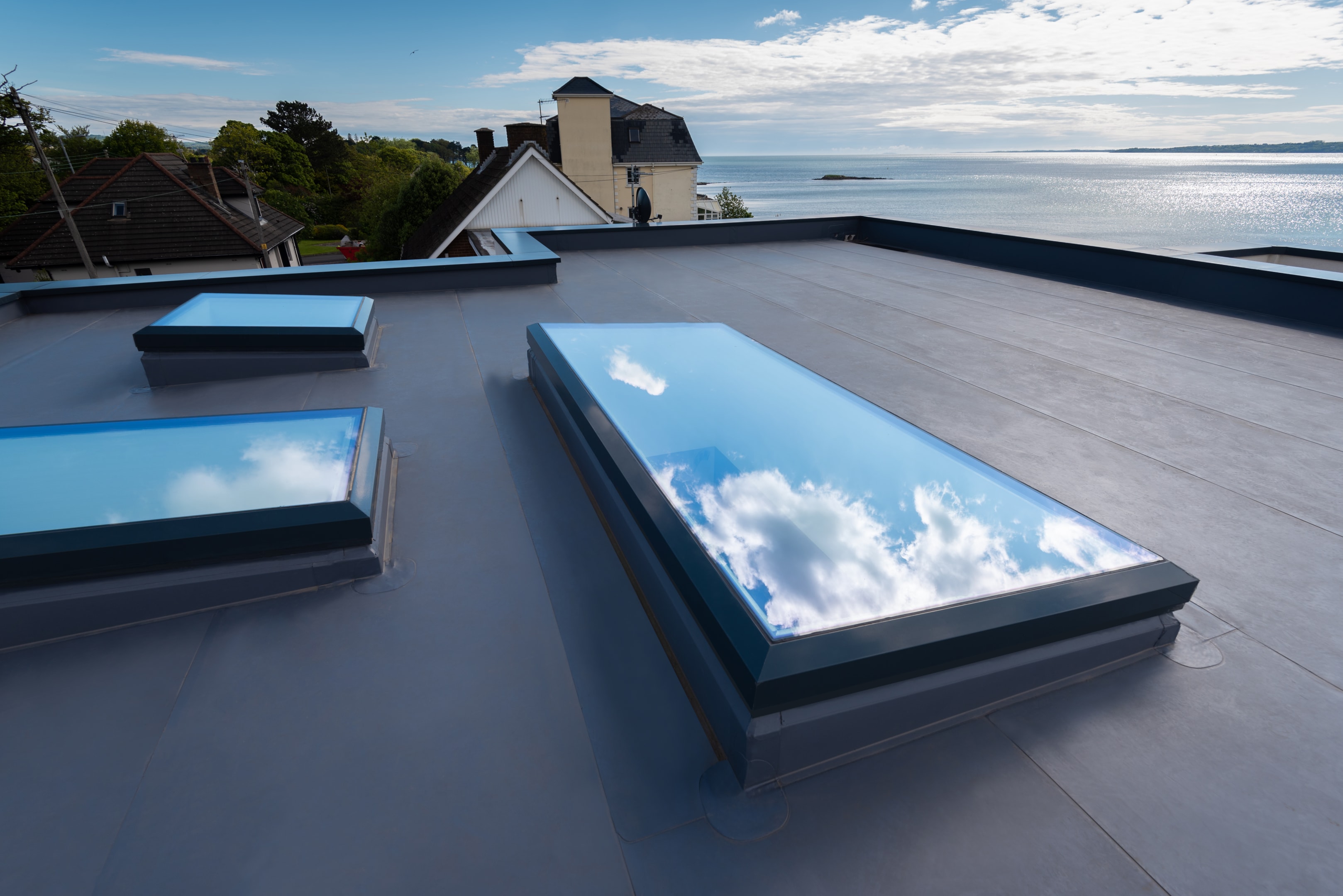
Rooflights have become a popular feature in modern homes, extensions and renovations thanks to their ability to flood interior spaces with natural daylight. By opening up a room from above, a well-placed rooflight can transform how a space feels, making it brighter, more open and more inviting. However, a common question many homeowners ask is: can a rooflight be too big?
The short answer is yes. While large rooflights offer impressive visual impact and practical benefits, there are important design, structural and performance considerations to keep in mind. This article explores when a rooflight might be too large, what influences the ideal size, and how to strike the right balance between light, comfort and efficiency.
Why Large Rooflights Are So Popular
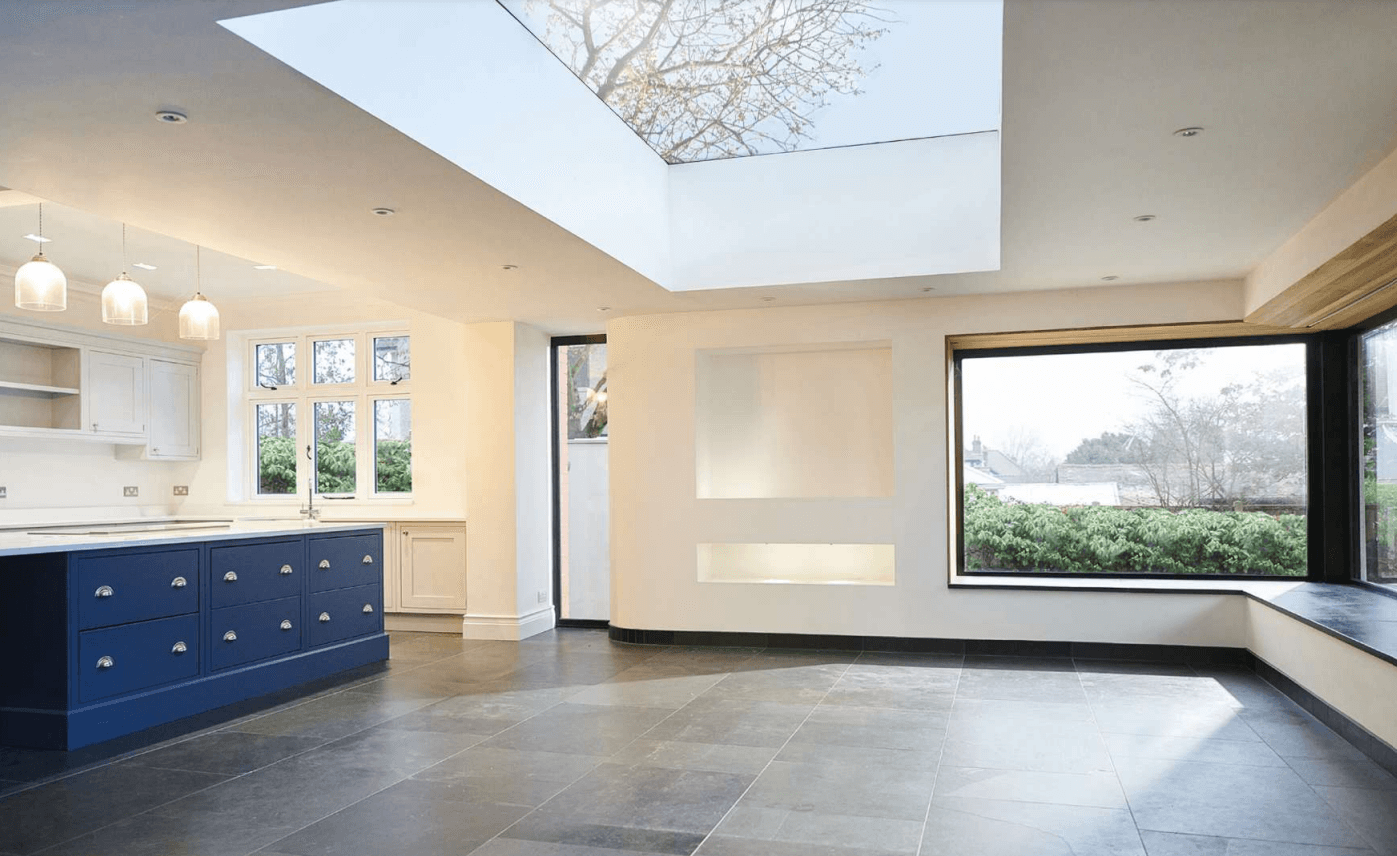
Large rooflights are often chosen for their ability to dramatically increase natural daylight, particularly in areas such as kitchen extensions, open-plan living spaces and loft conversions. They help brighten rooms that might otherwise feel dark or enclosed, creating a stronger connection between indoor and outdoor spaces.
Natural light also has practical benefits. Brighter interiors can reduce the need for artificial lighting during the day, improve mood and make rooms feel more spacious. For these reasons, expansive roof glazing has become a defining feature of contemporary home design.
Choosing the largest rooflight isn’t always best and requires careful consideration to enhance the space without creating issues.
Structural Considerations
One of the key factors that determines how large a rooflight can be is the structure of the roof itself. Any opening in a roof must be properly supported to maintain safety and long-term stability.
Larger rooflights often require additional reinforcement to ensure the surrounding roof structure remains strong and secure. Without proper structural support, oversized rooflights can increase the risk of movement, sagging or long-term damage.
The type of roof also plays a role. Flat roofs, pitched roofs and roof lantern installations each have different design limitations, and what works well in one property may not be suitable in another. Understanding these constraints early helps avoid problems later in the project.
Heat Loss, Heat Gain and Comfort
Thermal performance is another important factor when deciding on rooflight size. Although modern glazing technology has improved significantly, a rooflight will always perform differently to a solid roof section.
An oversized rooflight can cause heat loss in winter and overheating in summer, especially in direct sunlight. This can make a room uncomfortable and increase reliance on heating or cooling systems.
High-performance glazing, low U-values and solar control coatings can help manage these effects, but size still matters. Choosing a rooflight that balances daylight with thermal efficiency is essential for maintaining a comfortable indoor environment throughout the year.
Light Levels and Glare
While natural daylight is generally desirable, too much of it can cause problems. Oversized rooflights can introduce glare, especially in rooms used for dining, working or relaxing.
Excessive overhead light may also create harsh contrasts, wash out interior finishes or cause furnishings to fade over time. In some cases, multiple smaller rooflights positioned thoughtfully can provide more even and controlled light than a single very large unit.
Orientation is also important. South-facing rooflights tend to receive stronger sunlight, which may require additional measures such as blinds or diffused glazing to maintain comfort.
Planning Permission and Regulations
In many cases, rooflights fall under permitted development, meaning planning permission is not usually required. However, this depends on specific conditions, including how far the rooflight projects above the roof plane and how it affects the appearance of the property.
Larger rooflights are more likely to fall outside permitted development limits, particularly in conservation areas or on listed buildings. Regardless of size, building regulations still apply and cover aspects such as structural safety, energy efficiency and weather resistance.
Checking these requirements early helps avoid delays and ensures the installation complies with current standards.
Proportion and Interior Design
A rooflight should enhance a room, not dominate it. When a rooflight is too large for the space below, it can feel visually overwhelming and disrupt the overall balance of the interior.
Room size, ceiling height and layout all influence what feels proportionate. Large open-plan spaces suit generous rooflights, while smaller rooms benefit from more modest openings that still deliver plenty of daylight.
Considering how light moves through the space at different times of day can help determine the most effective size and placement.
Maintenance and Practicality
Larger rooflights can also be more challenging to maintain. Cleaning and accessing the glass becomes more difficult as size increases, particularly when rooflights span wide areas or are installed at height.
While modern glazing is designed to be durable and low maintenance, practical access should always be considered. Thinking ahead about cleaning and long-term upkeep can help ensure the rooflight remains an asset rather than a inconvenience.
So, Can a Rooflight Be Too Big?
A rooflight can be considered too big if it negatively affects structural stability, thermal performance, comfort or the overall balance of a space. The ideal size depends on several factors, including roof design, room proportions, orientation and glazing specification. Taking the time to assess your needs and the characteristics of your property will help ensure the final result enhances your home for years to come.
Rather than focusing solely on size, it is more effective to consider how the rooflight will perform throughout the year and how it complements the rest of the home. In many cases, a carefully sized and well-positioned rooflight delivers better results than the largest option available.
At UK Rooflights, we offer a wide range of rooflight options designed to help you achieve the perfect balance of natural light, comfort and performance. If you’re planning a project and want guidance on choosing the right size and specification, get in touch with our team today on info@ukrooflights.co.uk to explore your options.


