

How Daylight Can Reduce Your Energy Costs
Rising energy costs continue to be a major concern for homeowners and businesses alike. While insulation, heating systems, and energy-efficient appliances often take centre stage in conversations about reducing bills, one factor is sometimes overlooked: natural daylight. By allowing more daylight into a property through well-designed glazing solutions such as rooflights, roof lanterns, and windows, it’s possible to lower energy consumption while creating brighter, more comfortable spaces.
This blog explores how daylight contributes to energy efficiency and why thoughtful glazing choices can make a measurable difference.
The Link Between Daylight and Energy Consumption
Artificial lighting accounts for a significant portion of household and commercial electricity use. The more a property relies on electric lighting during daytime hours, the higher its energy demand becomes. Maximising daylight reduces this reliance, allowing interiors to remain naturally illuminated for longer periods throughout the day.
Daylight also plays a role in passive solar gain. When sunlight enters a building, it can contribute to internal warmth, particularly during cooler months. Combined with modern glazing technology, daylight can support temperature regulation without increasing energy use.
Rooflights and Their Impact on Energy Efficiency
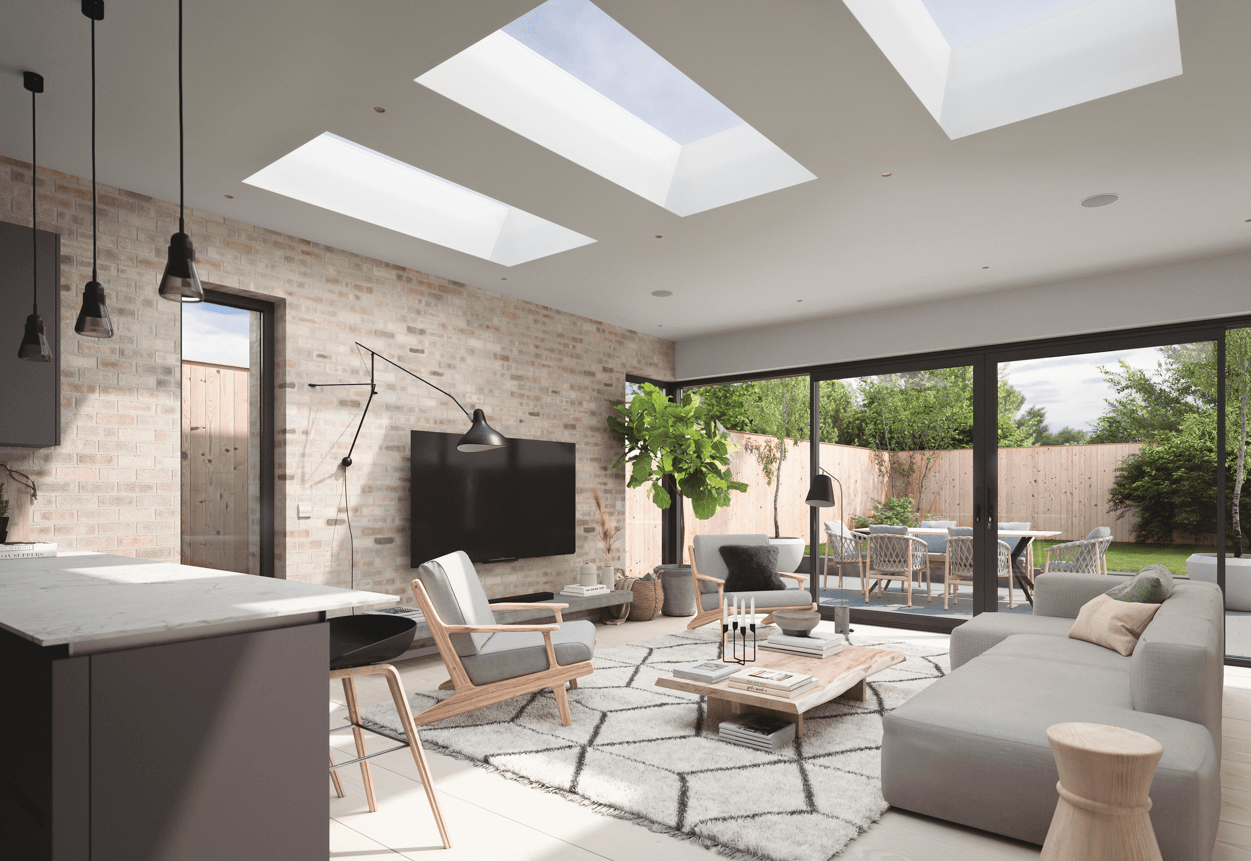
Rooflights are one of the most effective ways to introduce daylight into a building. Positioned on the roof, they capture light from above, where there are fewer obstructions such as neighbouring buildings, trees, or boundary walls.
Reduced Need for Artificial Lighting
Because rooflights deliver direct overhead light, they can illuminate large areas evenly. Kitchens, extensions, hallways, and open-plan spaces often benefit the most, as these areas typically require artificial lighting throughout the day. With rooflights installed, lights can remain switched off for longer, lowering electricity usage.
Supporting Passive Heating
Sunlight entering through rooflights can help warm interior spaces naturally. In well-insulated homes with modern glazing, this passive heat gain can reduce reliance on heating systems during daylight hours.
Energy-Efficient Glazing Performance
Modern rooflights are designed with thermal efficiency in mind. High-performance glazing helps retain heat in winter while limiting excessive heat gain in summer, ensuring daylight contributes positively to energy savings rather than increasing cooling costs.
Roof Lanterns and Daylight Distribution
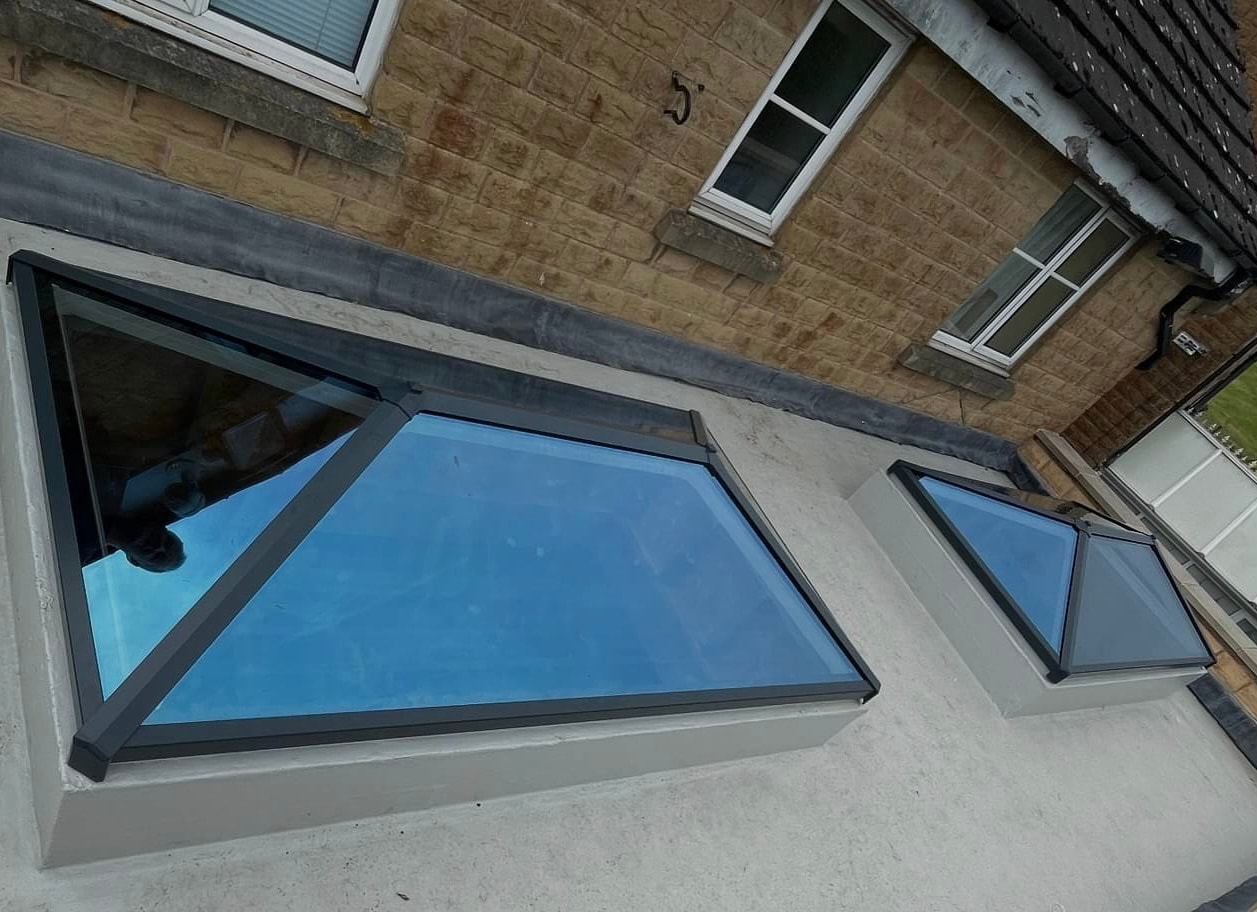
Roof lanterns take daylighting a step further by creating a raised glazed structure that distributes light across a wider area. Often used in extensions or large living spaces, roof lanterns not only enhance the visual appeal of a room but also improve energy efficiency.
Wider Light Spread
Unlike flat rooflights, roof lanterns allow light to enter from multiple angles. This spreads daylight more evenly throughout a space, reducing dark corners and the need for supplementary lighting.
Improved Daytime Comfort
With increased daylight penetration, interior spaces feel brighter and more open, reducing the need for electric lighting even on overcast days. Over time, this consistent reduction in lighting use can make a noticeable difference to energy bills.
Thermal Balance
Advances in glazing technology mean modern roof lanterns combine large glazed areas with excellent insulation. This helps maintain internal temperatures while benefiting from daylight and solar gain.
The Role of Windows in Energy Savings
Windows remain a fundamental source of natural light in any property. When positioned and specified correctly, they can significantly reduce energy consumption.
Maximising Natural Light
Larger window openings or carefully planned window placement allow more daylight into living spaces. This reduces the need for artificial lighting and supports a brighter internal environment.
Orientation Matters
South-facing windows typically receive the most sunlight throughout the day, making them especially effective for passive heating. East and west-facing windows provide strong light during mornings and afternoons, while north-facing windows deliver consistent, softer daylight without excessive heat gain.
Modern Glazing Efficiency
Today’s window systems are designed to limit heat loss while maximising light transmission. Low-emissivity coatings, insulated frames, and double or triple glazing help ensure daylight contributes to energy efficiency rather than working against it.
Reducing Lighting Costs Through Daylight
Lighting can account for up to 15% of household electricity usage. By relying on daylight during daytime hours, this figure can be reduced significantly. Rooflights, roof lanterns, and well-placed windows work together to ensure spaces remain bright throughout the day.
This is particularly beneficial in areas such as:
- Kitchens
- Living rooms
- Home offices
- Extensions and open-plan spaces
The more daylight a room receives, the less it depends on electric lighting, leading to lower electricity consumption over time.
Daylight and Thermal Comfort
Daylight doesn’t just affect lighting costs, it also impacts heating efficiency. Sunlight entering through glazed areas can naturally warm interiors, reducing the need for heating during daylight hours in cooler seasons.
When combined with high-performance glazing, daylight contributes to:
- Reduced heat loss
- Stable indoor temperatures
- Lower heating demand
This balance is especially important in roof glazing, where older or poorly specified products could lead to heat loss. Modern systems are designed to prevent this while still allowing generous daylight.
Balancing Daylight and Heat Control
While daylight offers energy-saving benefits, it must be managed carefully. Excessive solar gain can increase cooling costs during warmer months. High-quality glazing helps strike the right balance by allowing light in while controlling heat transfer.
Features such as solar control coatings and insulated glazing units help maintain comfort levels without sacrificing daylight or increasing energy use.
Long-Term Energy Savings
Although installing rooflights, roof lanterns, or upgrading windows is an investment, the long-term energy savings can be significant. Reduced lighting and heating costs, combined with improved comfort, make daylighting a valuable part of an energy-efficient home.
Additionally, well-lit homes often feel more spacious and appealing, offering benefits beyond energy savings alone.
Conclusion
Daylight plays a vital role in reducing energy costs when harnessed effectively. By allowing more natural light into a property through rooflights, roof lanterns, and windows, it’s possible to lower reliance on artificial lighting, support passive heating, and create brighter, more comfortable living spaces.
With modern glazing technology, daylight can be enjoyed without compromising thermal performance, making it an essential consideration for energy-efficient design. Thoughtful glazing choices not only improve the look and feel of a home but also contribute to long-term energy savings.
At UK Rooflights, we design and supply high-quality glazing solutions, such as flat rooflights and roof lanterns, that help maximise natural daylight while supporting energy efficiency. If you’re planning a project and want to make the most of daylight in your space, get in touch with our team today on 01709 458500.


