

4 Surprising Ways Rooflights Improve Your Mental Health
When people think about rooflights, they usually picture brighter rooms and include energy saving benefits. Fair enough, more daylight and energy savings are great. But there’s a quieter, more personal upside that often gets overlooked, rooflights can actually improve your mental health. From stabilising your body clock to creating calm, the design choice above your head can have a profound effect on how you feel. Here are four surprising ways rooflights can boost your mental health, plus a few practical tips to get the most from them.
1. They help reset your body clock
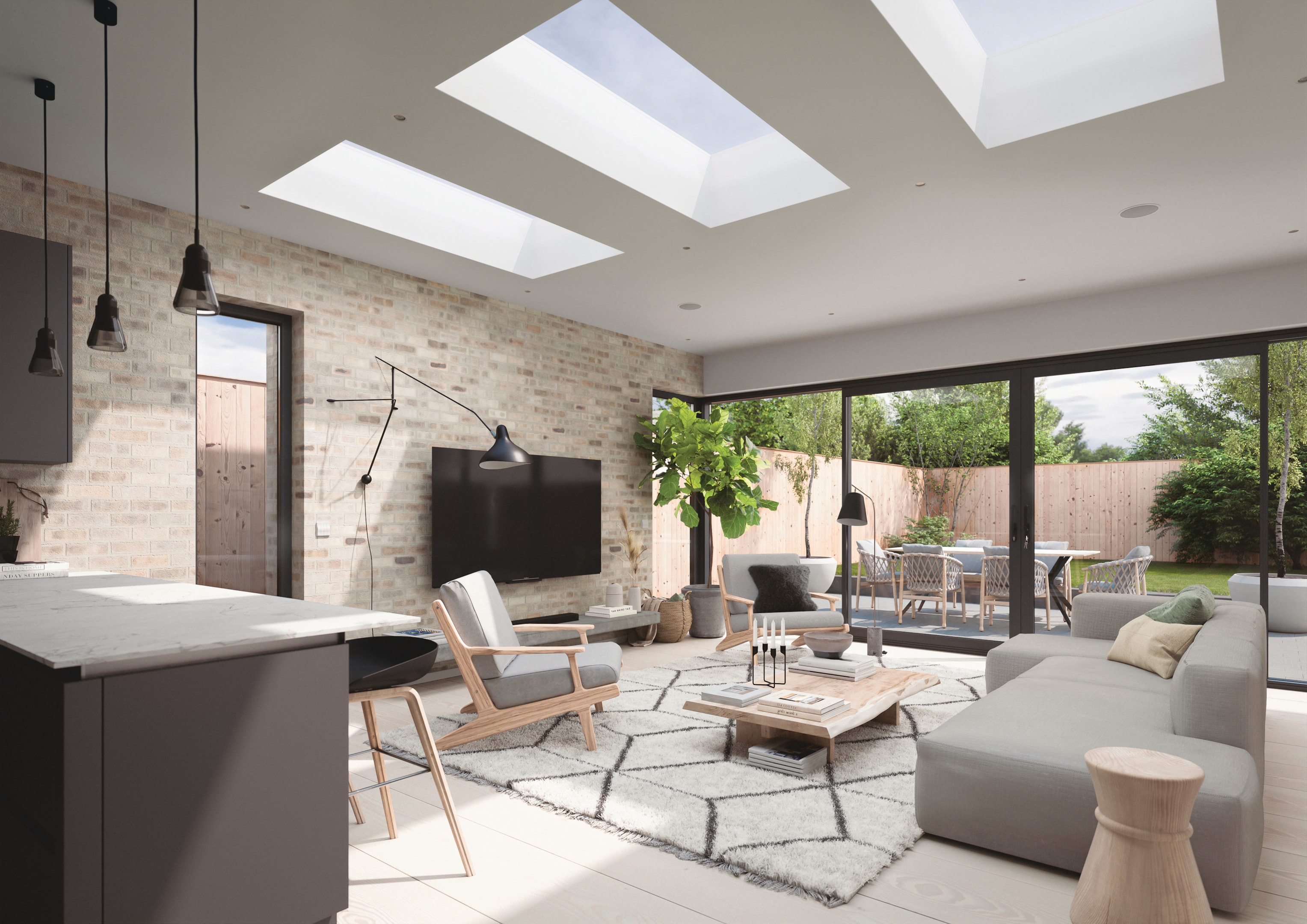
Your brain relies on natural light to regulate the circadian rhythm, the internal 24-hour cycle that influences sleep, energy, and mood. Many homes don’t get consistent daylight, especially in rooms facing the wrong direction or shaded by neighbouring buildings. A well-placed rooflight pulls in clear, overhead light that’s less likely to be blocked, giving you stronger daylight cues from morning through late afternoon.
Why this matters for mental health: when your circadian rhythm is steady, falling asleep gets easier, waking up feels gentler, and daytime energy is more stable. That often translates to less irritability, fewer afternoon slumps, and a noticeable lift in mood. If you struggle with winter blues or you work from home in a dim space, a rooflight above your desk, kitchen, or stairwell can mimic the “step outside” feeling, without leaving the house.
Try this: choose a rooflight with a larger visible glass area and position it in a room where you spend mornings. If possible, avoid heavy blinds during the day; use a light-diffusing shade to soften glare without blocking brightness.
2. They create an “upward view” that soothes your nervous system
There’s something inherently calming about looking up at the sky. An unobstructed view, clouds drifting, rain pattering, stars appearing, acts like a pressure release valve for a busy brain. This upward gaze invites micro-moments of mindfulness: a few seconds of watching light move across the ceiling can be enough to slow your breathing and quiet your thoughts.
Architects sometimes call this “prospect and refuge”, you feel grounded in your room but connected to something vast and open above you. It reduces that boxed-in sensation that can build up in smaller homes or tight urban spaces.
Try this: place a chair, yoga mat, or reading nook where you can comfortably look up through the rooflight. Make it a ritual, two minutes in the morning, two before bed, to anchor your day with a sky check-in.
3. They make spaces feel bigger, which reduces background stress
Cluttered or cramped environments can subtly raise stress levels. Rooflights don’t add square footage, but they add volume and visual depth. Light from above bounces onto walls and ceilings, softening corners and reducing stark contrasts. Rooms feel more open, travel corridors seem less tunnel-like, and basements or loft conversions can shift from “make-do” to genuinely pleasant places to spend time.
That perception of spaciousness matters. When your environment feels generous rather than constricting, you’re more likely to move around, tackle tasks, and invite people in. Social connection, movement, and productivity are all protective factors for mental health, and a brighter, airier room quietly encourages them.
Try this: in narrow kitchens or hallways, cluster two or three smaller rooflights rather than a single large one to spread light evenly. Pair with pale, matte finishes that reflect light without harsh glare.
4. They turn everyday moments into mood-boosting rituals
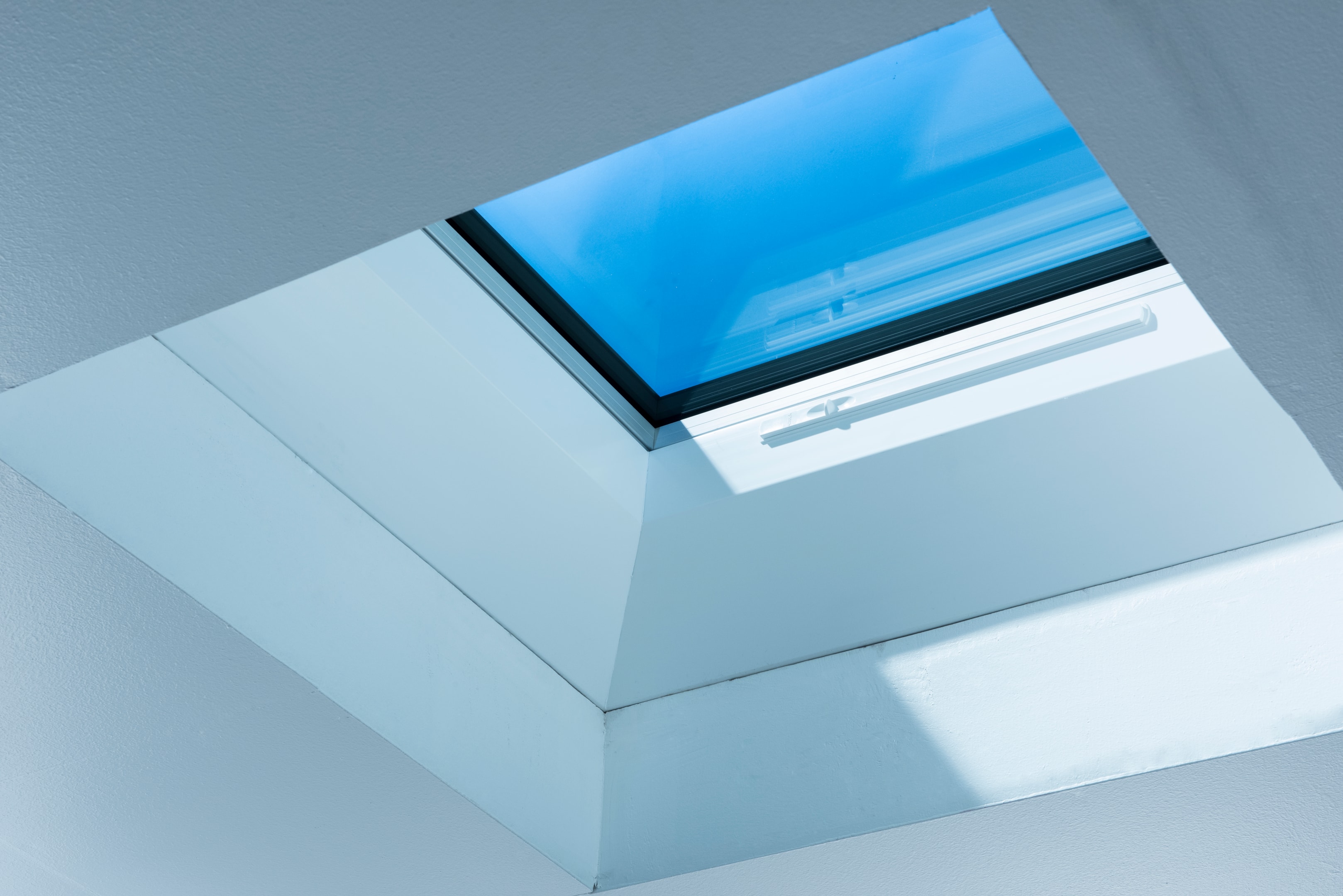
Think: making coffee under a bright patch of sky, reading while rain drums overhead, watching the last glow fade as you wind down. These sensory cues light, sound, and motion, anchor you in the present and can become reliable touchpoints of calm.
Design choices can amplify this. A rooflight above a dining table turns weeknight dinners into soft-lit gatherings. One above a staircase creates a miniature gallery of changing light. Even a compact rooflight in a windowless bathroom transforms a rushed shower into a spa-like reset. These are not grand gestures, but they build a home that actively supports your mood.
Try this: pair rooflights with dim-to-warm artificial lighting for evenings, and a textured surface (like a timber table or woven rug) beneath the light to catch and showcase the shifting glow.
Practical Tips to Maximise the Wellbeing Benefits
- Glare control: Choose glass with good solar control if your roof faces south or west. Add a diffuse blind rather than blackout for daytime comfort.
- Acoustic comfort: If you love the sound of rain but not the roar, look for laminated or triple-glazed units that soften impact noise.
- Thermal performance: Check the U-value (lower is better).
- Safety and privacy: Consider laminated inner panes.
- Maintenance: Specify self-cleaning coatings if access is tricky; you’ll keep the glass clear (and the light generous) with less effort.
The Takeaway
Rooflights do more than brighten a room. They steady your sleep-wake cycle, offer a daily window to the sky, ease the sense of being boxed in, refresh the air you breathe, and weave small rituals of joy into your routine. None of these benefits require perfect weather or a grand extension; they flow from thoughtful placement and a willingness to look up.
If you’re renovating, or simply reimagining how your home could feel, consider starting at the top. A carefully chosen rooflight is a quiet investment in your mental wellbeing, paying you back in better mornings, calmer evenings, and a life lived with a little more light.
At UK Rooflights we offer a range of flat rooflight sizes to fit your specific needs. Not only do our rooflights help improve you mental well being they also bring in an abundance of natural sunlight to your home. Interested in getting one your own? Speak to our team on info@ukrooflights.co.uk.


