

What Is a Roof Lantern?
When it comes to enhancing natural light in a home or building, few features compare to a roof lantern. These elegant glass structures not only brighten interior spaces but also add a striking visual element to a property. Roof lanterns provide numerous benefits, including increased natural light and enhanced aesthetics, making them popular in both modern and traditional designs alike. Additionally, they flood rooms with extra light, significantly improving the living space.
In this blog, we’ll explore the origins, design, benefits, and practical considerations of roof lanterns, giving you a clear understanding of whether this architectural feature is right for your home.
What Is a Roof Lantern?
A roof lantern is a glazed structure installed on a flat or low-pitched roof. Typically, it’s a multi-pane glass structure that resembles a miniature conservatory or skylight, rising above the main roofline. Unlike flat rooflights, roof lanterns are elevated and often constructed in pyramid-shaped, rectangular, or octagonal shapes. The raised design allows light to flood into the space below from multiple angles, making it an ideal solution for darker rooms or central areas of a house that don’t receive much natural daylight.
Roof lanterns are also ideal for flat roofs, adding elegance, natural light, and a sense of spaciousness to single-storey extensions and various residential spaces, and they are super easy to install.
Types of Roof Lanterns
Roof lanterns come in several shapes and configurations, with the most common being:
- Rectangular roof lanterns: These are the most popular style, often featuring a long, elegant shape ideal for kitchens or living spaces.
- Square or pyramid lanterns: These offer a more symmetrical look and are well-suited for smaller rooms or central hallways.
- Octagonal or custom shapes: These are less common but can be a dramatic focal point in grand architectural designs.
The glazing set in these roof lanterns is designed to enhance both aesthetics and functionality, creating a visually appealing structure that increases natural light in the interior.
In addition, choosing a grey tint for the glass can help reduce sun glare, optimize natural light, and improve thermal performance, making it a practical and stylish option for various settings.
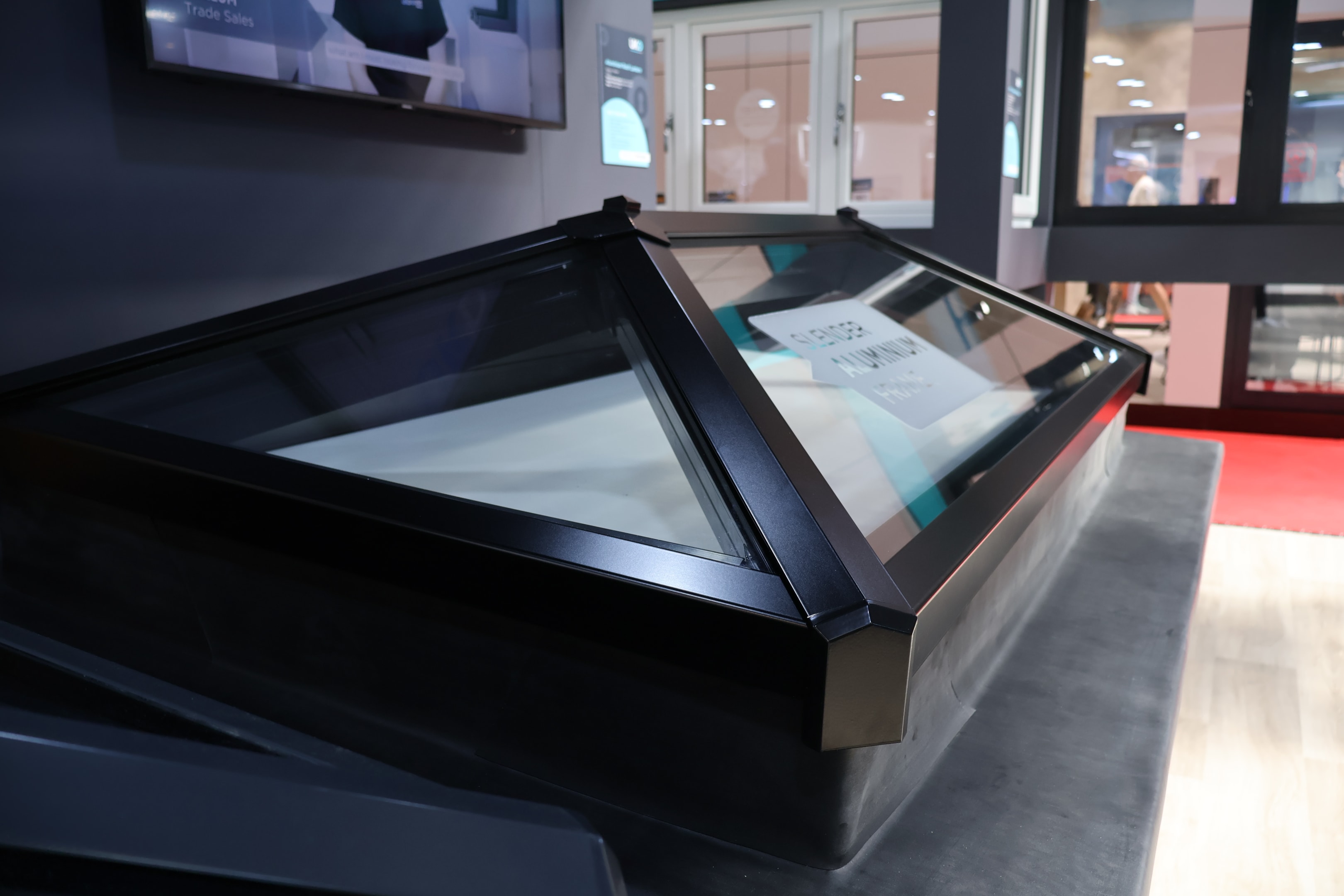
Design and Style
Roof lanterns are available in a variety of designs and styles to suit different architectural features and personal preferences. Contemporary roof lanterns often feature slim, aluminium frames and self-cleaning glass, offering a sleek and modern look that enhances the overall aesthetic of a home. These designs are perfect for those seeking a minimalist and clean appearance.
The design of the roof lantern should also take into account the local planning authority’s regulations and building control requirements. Ensuring compliance with these regulations is crucial for a smooth installation process and long-term satisfaction with your roof lantern.
Key Features and Materials
Modern roof lanterns are designed to be both functional and aesthetically pleasing. Common materials include:
- Aluminum frames: Lightweight, strong and sleek, aluminum is often used in modern roof lanterns for its slim sightlines and durability.
- Timber: Traditional and elegant, timber frames are commonly used in period homes but require more maintenance.
- UPVC: A cost-effective and low-maintenance option, though generally bulkier in appearance.
Benefits of Installing a Roof Lantern
1. Natural Light
The most obvious benefit of a roof lantern is the abundance of natural light it brings into a space. Unlike vertical windows, a roof lantern captures daylight from above, even when the sun is low in the sky or when walls are obstructed. Additionally, roof lanterns keep a room feeling light and airy, enhancing the overall elegance and ambiance of the living environment.
2. Visual Appeal
Roof lanterns are often described as architectural statements. Their bold lines and striking presence can dramatically transform the look and feel of a room, giving it a more open, airy atmosphere.
3. Improved Ventilation
Some roof lanterns include opening vents or can be fitted with electric openers and rain sensors. This helps with temperature regulation and can improve airflow, especially in kitchens and bathrooms.
Modern designs also incorporate thermal breaks to prevent cold bridging, thereby enhancing energy efficiency and combatting heat loss in homes.
4. Energy Efficiency
Thanks to modern glazing technology, roof lanterns can achieve excellent thermal efficiency. High-quality models reduce heat loss in winter and prevent overheating in summer, helping to keep energy bills in check.
5. Adds Value to Property
A well-designed roof lantern can add real value to a home. It enhances both the interior and exterior aesthetics, making the property more attractive to potential buyers. Roof lanterns provide not only increased natural light but also serve as stylish architectural features that complement both contemporary and traditional designs.
Where Can Roof Lanterns Be Installed?
Roof lanterns are most commonly installed in:
- Kitchen extensions
- Dining areas
- Orangeries or conservatories
- Hallways and stairwells
- Living rooms and other living spaces
They are especially popular in single-storey extensions where walls might be limited for traditional windows, or in older properties that lack adequate daylight in central rooms.
In dining areas, positioning roof lanterns directly above dining tables enhances natural light, creating an inviting atmosphere and illuminating the dining space effectively.

Considerations Before Installation
1. Planning Permission
In most cases, roof lanterns fall under permitted development rights, meaning you don’t need planning permission. However, this can vary based on your local authority, the size and height of the lantern, and whether your home is in a conservation area or is a listed building. It is important to consult with the local planning authority to understand specific requirements and regulations applicable to your project.
2. Structural Support
Adding a roof lantern requires cutting into your existing roof, which may need additional structural support. A professional surveyor or structural engineer should be consulted to ensure your roof can safely bear the new load. Additionally, the importance of roof joists cannot be overstated, as they may need rearrangement to ensure structural soundness and compliance with building regulations.
3. Weatherproofing
Proper installation is critical. Poor sealing can lead to leaks and drafts. The use of window flashings is essential for ensuring waterproofing when fitting the roof windows onto the upstands. Final waterproofing takes place during the installation of window flashings, ensuring a secure and watertight seal. Always choose a reputable installer and high-quality materials that are designed to withstand the elements.
4. Maintenance
While many roof lanterns come with self-cleaning glass, they still need occasional cleaning, especially in areas with lots of rain, trees, or pollution. Consider access and ease of maintenance when choosing a design. In some cases, you may need a professional window cleaner to reach and thoroughly clean hard-to-access areas.
Choosing the Right Roof Lantern
With so many different types of roof lanterns available, choosing the right one can be a daunting task. Start by considering the size of the room and the amount of natural light required to determine the optimal size of the roof lantern. A larger room may benefit from a bigger roof lantern to maximise the influx of natural light, while a smaller room might only need a modest-sized lantern.
By taking the time to research and choose the right roof lantern or rooflight, you can enjoy the benefits of natural light, energy efficiency, and a beautiful, inviting atmosphere in your home. Remember to check the warranty and after-sales support offered by the manufacturer, as this can provide peace of mind and protection for your investment.
Roof Lanterns Cost
How much do roof lanterns cost? Prices vary widely depending on the size, materials, and features. As a rough estimate:
- Small UPVC lantern: £1,000 – £2,000
- Mid-sized aluminum lantern: £2,500 – £5,000
- Large bespoke timber lantern: £5,000+
Installation costs are extra and vary depending on the complexity of the project. Always get several quotes and ask about guarantees and certifications.
Final Thoughts
A roof lantern is more than just a source of daylight, it’s a statement feature that can transform the feel and functionality of your home. From boosting natural light to enhancing your property’s value, the benefits of roof lantern installation are substantial. Whether you’re planning a renovation, building an extension, or just exploring ways to modernise your space, a roof lantern could be the perfect addition.
Choosing the perfect roof lantern for your home is crucial as it seamlessly blends style, performance, and affordability. Modern roof lanterns also offer easy installation, making them a hassle-free improvement to your living spaces.
At UK Rooflights we offer a range of different roof lanterns, including a range of bespoke options. Interested in letting in more light in your space? Speak to our team on 01709 458500 to discuss your next project.


